Wasp and Bee Stings: When It's a Nuisance and When It's Anaphylaxis

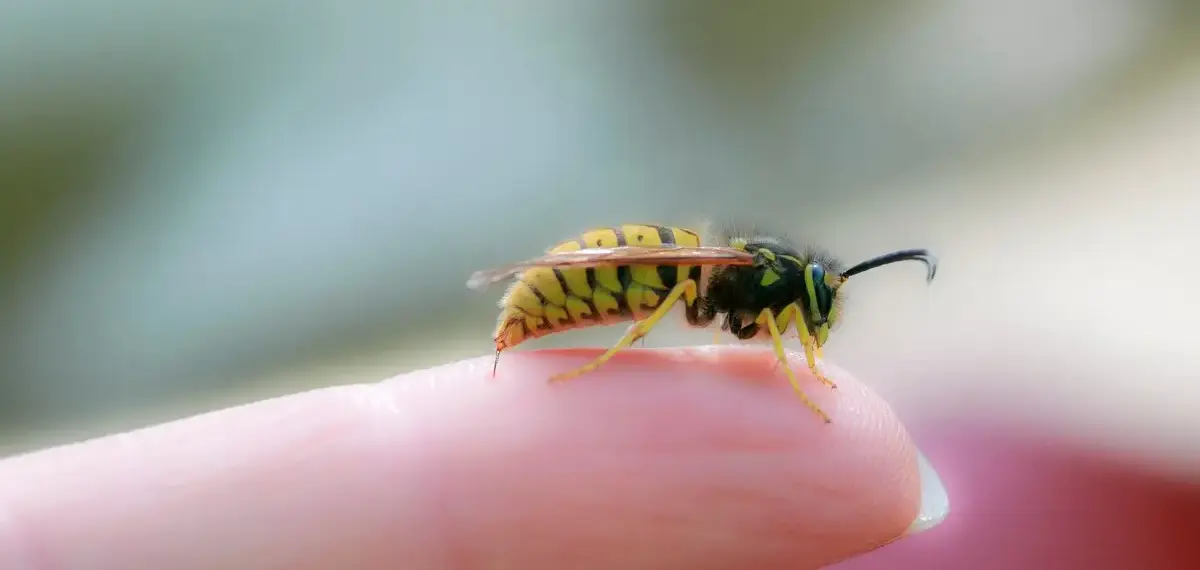
If you feel like wasps have got more aggressive the last few weeks, you're not imagining it. Late summer is when wasp colonies naturally start to break down, their food source shifts, they get drowsier and crankier, and they turn up uninvited to every picnic, bin, and open can of drink in the garden. August and September are, reliably, wasp season.
For the vast majority of people, a sting is a nasty ten minutes, not a medical event. But it's worth genuinely knowing the difference, because a small number of stings a year do turn fatal in the UK, almost always because the reaction wasn't recognised for what it was until it was too late.
Normal wasp sting, versus a problem
A normal reaction is localised: pain, redness, and swelling right around the sting site, usually settling within a few hours to a few days. A "large local reaction" — more extensive swelling that peaks a day or two after the sting — looks alarming but is still not the same as a systemic allergic reaction, and can usually be managed at home.
A systemic allergic reaction (anaphylaxis) is different altogether. It affects the whole body, often within minutes, and is a medical emergency.
Treating an everyday sting
If it's a bee sting, remove the stinger by scraping it out sideways with a fingernail or bank card — don't pinch it with tweezers, which can squeeze more venom in. Wasps don't leave a stinger behind, so this step doesn't apply to wasp stings.
Wash the area with soap and water.
Apply a cold compress — an ice pack or cold flannel — for about ten minutes to bring down swelling and pain.
Take an antihistamine (such as cetirizine or loratadine) to help with itching and swelling.
Remove tight jewellery or clothing near the site before swelling makes it difficult.
Raise the limb if the sting is on an arm or leg, which helps reduce swelling.
Vinegar, bicarbonate of soda, and other kitchen-cupboard remedies don't have good evidence behind them and can irritate the skin further. Stick to cold, clean, and antihistamine.
The signs that mean 999, not a cold compress
Call 999 immediately and say you suspect anaphylaxis if you see:
Swelling of the face, lips, tongue, or throat
Difficulty breathing, wheezing, or a tight throat or chest
A widespread rash, hives, or flushing across the body, away from the sting site
Dizziness, fainting, or a sudden drop in alertness
A feeling of impending doom (this is a genuine, recognised symptom, not dramatics)
If the person carries a prescribed adrenaline auto-injector, use it immediately as they've been trained, then call 999 regardless of whether they seem to improve — a second wave of reaction can follow the first.
Who's actually at risk
Around 2 to 10 people die from anaphylaxis caused by insect stings in the UK each year, and wasp stings are responsible for roughly twice as many of those deaths as bee stings. Anyone who's had a systemic reaction to a sting before is at meaningfully higher risk of a worse reaction next time, and should be referred to an NHS allergy clinic — not just told to "keep an eye on it." For people with a confirmed severe venom allergy, venom immunotherapy (a series of gradually increasing injections to build tolerance) is available and reported to be highly effective for many patients.
A trainer's note on why this catches people out
The reason insect sting anaphylaxis is dangerous isn't that people don't know what anaphylaxis is — most people have heard of EpiPens and food allergies. It's that a wasp sting doesn't feel like the start of a medical emergency. It feels like a normal, painful sting, right up until it very obviously isn't. That gap — between "ow, that hurt" and "something's seriously wrong" — is exactly why we teach delegates to check for the whole-body signs (face, throat, breathing, rash away from the site) rather than just watching the sting itself get more swollen.
Reducing the chances of getting stung in the first place
Cover food and drinks outdoors, particularly sweet things, and always check a can or bottle before drinking from it outside
Avoid strong perfumes and scented lotions, which can attract wasps
Move away slowly and calmly if a wasp is nearby — swatting or flapping makes them more aggressive, not less
Keep arms and legs covered where practical, especially around known nests
Never attempt to remove a wasp or bee nest yourself — call a pest control professional or local beekeeping association
FAQ
How can I tell if a sting reaction is serious? A normal reaction stays localised to the sting site. If you see swelling of the face or throat, breathing difficulty, a rash away from the sting, or dizziness, treat it as anaphylaxis and call 999.
Should I remove a bee stinger with tweezers? No — pinching it can squeeze more venom into the skin. Scrape it out sideways with a fingernail or the edge of a card instead.
Can you become allergic to wasp stings even if you've never reacted before? Yes. Allergic reactions can develop after a sting that previously caused no problem, and the risk of a more serious reaction increases with repeated or frequent stings.
Is a large, swollen area around a sting always dangerous? Not necessarily. A "large local reaction" can look dramatic and take several days to settle, but it's different from a systemic allergic reaction. The key distinction is whether symptoms appear away from the sting site, such as facial swelling or breathing difficulty.
Why do wasps seem worse in August and September? Late summer is when wasp colonies naturally start to decline, and their behaviour becomes more erratic and aggressive as their food sources change — which is exactly why sting numbers rise at this time of year.


Comments